Customer Data Is a Business Asset — With Legal Strings
When a local service business changes hands, the customer database is often the most valuable thing being sold. For a plumbing company or landscaping business, the customer list represents years of relationships and thousands in recurring revenue.
But customer data isn't just a commercial asset. It's personal information that customers provided under specific terms. Handling it incorrectly during a business transfer can create legal liability.
What Customer Data Is Typically Included in a Sale
In a typical local service business sale, the following data assets transfer:
- Customer contact database (names, addresses, phones, emails)
- Service history records (what was done, when, by whom, at what price)
- Active contracts or recurring service agreements
- Outstanding accounts receivable
Sohovi finds gaps, duplicates, and format errors in your CRM data — so your team is working from records they can trust.
These assets have value and should be explicitly listed in the purchase agreement.
Legal Considerations for the Transfer
Privacy policies: If the outgoing business's privacy policy says "we will not sell your personal information to third parties," transferring it to a buyer may technically violate that policy. Consult a lawyer on how to handle this — options include notifying customers of the change or updating the privacy policy before transfer.
Data retention laws: Some jurisdictions require you to retain certain business records (including customer records tied to financial transactions) for a specified period. The seller may need to retain copies even after transferring the database.
Industry-specific rules: Healthcare-adjacent services (medical home care, mental health-related services) have additional HIPAA and state-level protections. What applies in your industry?
The Data Handoff Process
For the seller:
- Export all customer data in a clean, well-documented CSV format
- Document what each field means and how it was captured
- Provide the last 3 years of service history at minimum
- Identify any records with special notes (difficult customers, liability concerns, ongoing disputes)
- Remove any staff personal data that shouldn't transfer
For the buyer:
- Import and validate the data before the sale closes (don't discover data quality problems after)
- Deduplicate against any existing customer records
- Update the privacy policy and notify customers of the ownership change
- Send a "we're the new owners" introduction email within the first week
Sohovi automatically finds every duplicate in your dataset — including near-matches — and shows you exactly which rows are affected.
The Introduction Email
The customer introduction email after an ownership change is a critical trust moment. Keep it:
- Personal: from the new owner, with name and brief background
- Reassuring: "Your service history and preferences have transferred — nothing will change for you"
- Action-prompting: include a booking link, a phone number, a reference to a current promotion
Customers who receive a warm, professional introduction are far more likely to remain with the new owner than those who find out by accident.
Validate the Data Before the Sale Closes
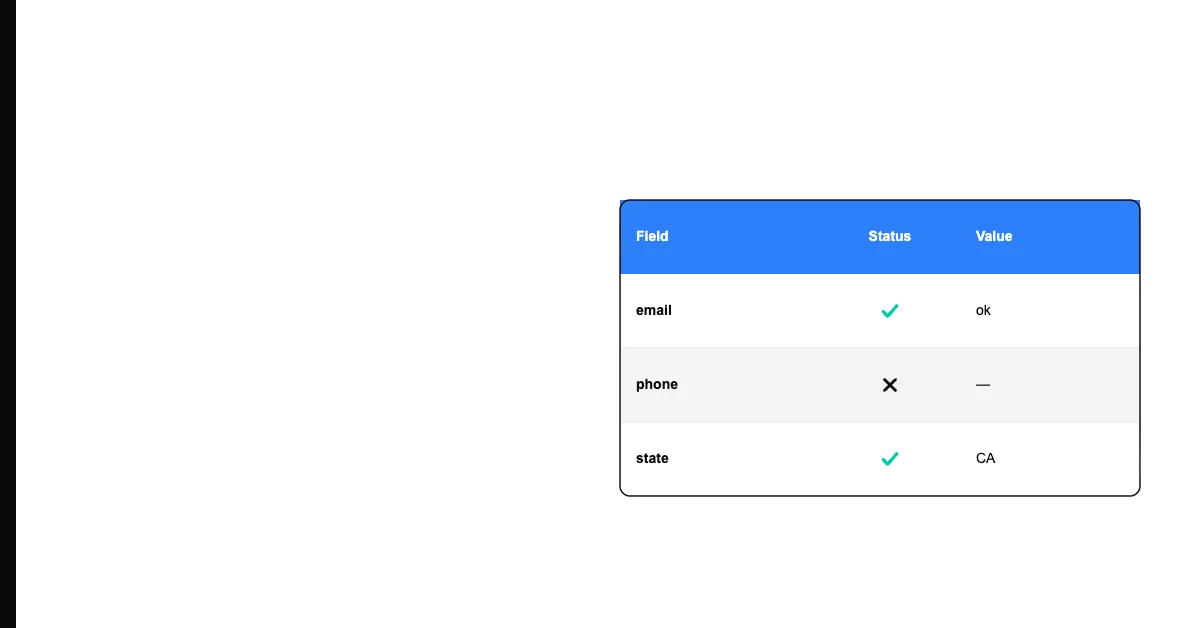
For the buyer, the single highest-leverage step in this process is profiling the customer export before closing — not after. Run it through Sohovi to see the real duplicate rate and completeness gaps while you still have negotiating leverage, rather than discovering them once you own the business. It's the same audit worth repeating periodically afterward, alongside general customer database hygiene, to keep the data you paid for from degrading again.