Why Year-End Is the Right Time for a Data Audit
The end of the year is when past-year data is complete (or close to it) and when you're naturally thinking about next year's direction. It's the ideal moment to look at your business data holistically — not a snapshot, but a full year's pattern.
A year-end audit isn't accounting (that's for your bookkeeper). It's a business intelligence exercise: what does my data tell me about how my business actually performed?
The Four Audit Areas
1. Revenue and Profitability (60 minutes)
- Total revenue for the year
- Revenue by client — what % came from your top 3 clients? (If > 60%, you have concentration risk)
- Revenue by project type — what's your highest-revenue service?
- Implied hourly rate by project type (if you've been tracking time)
- Change from prior year (up, down, by how much)
Questions to answer: Which clients and project types drove growth? Which are underperforming? Where are you most profitable?
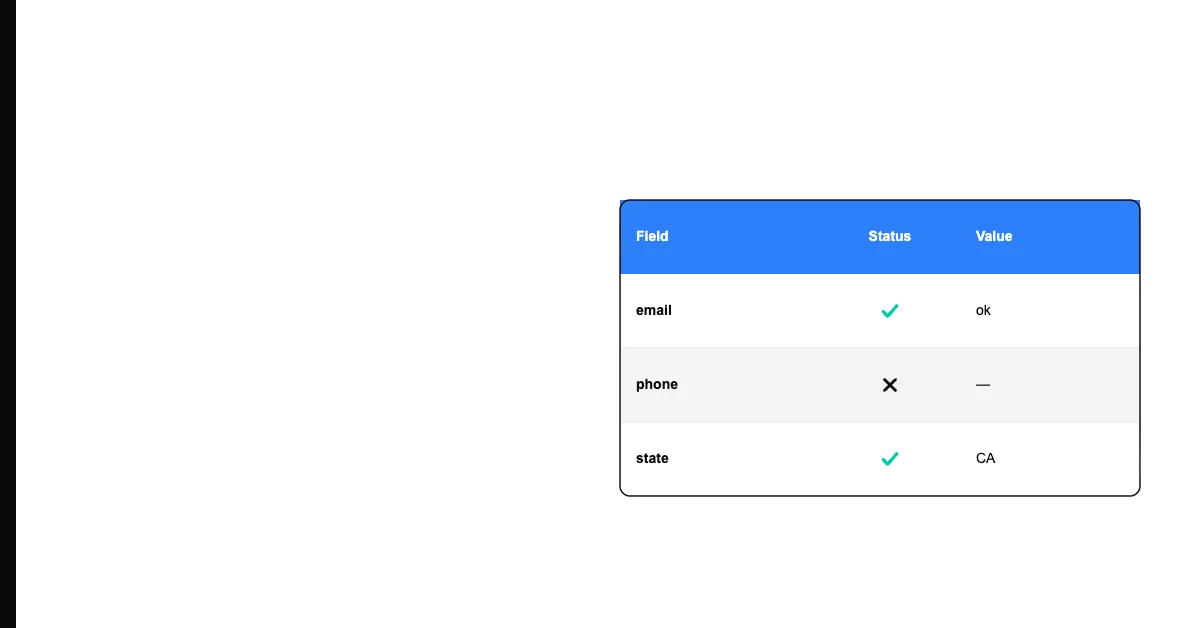
See exactly what's wrong with your data — try Sohovi free — try Sohovi free.
2. Client Portfolio (30 minutes)
- Number of active clients
- New clients this year vs. last year
- Lost clients this year — do you know why?
- Win rate on proposals (if you tracked them)
- Average client tenure
Questions to answer: Is your client base growing, shrinking, or stable? Are you retaining clients well? Where is new business coming from?
3. Time and Capacity (30 minutes)
- Total hours worked (if tracked)
- Billable vs. non-billable breakdown
- Busiest and slowest months
- Projects that took longer than scoped
Questions to answer: Are you at capacity? Which months could absorb more work? Which project types eat more time than they should?
4. Operations and Tools (30 minutes)
- Tools you pay for — are you using all of them?
- How much time does admin take per week?
- What processes break down most often?
Questions to answer: What can you cancel? What can you automate? What needs a better system?
From Audit to Plan
After the audit, write three sentences:
- The thing that worked best in my business this year was [X], and I will do more of it by [specific action].
- The thing that cost me the most time or money was [Y], and I will fix it by [specific action].
- My one priority for improving my business data and systems next year is [Z].
Sohovi gives you the data quality picture you need to make the case for fixing it — and to track improvement over time.
Three sentences. Specific. Actionable. The audit is only useful if it changes something.