The Small Nonprofit Data Challenge
You have a staff of six. None of them were hired to manage data. All of them enter data as part of their jobs: donor records, program participants, volunteer hours, grant metrics.
The result is six people with six different habits, six different interpretations of what fields mean, and a database that gets worse every month.
You don't need a data manager to fix this. You need data standards and accountability built into your existing workflows.
The Three-Habit Data Team
Building data quality without a dedicated role requires three organizational habits:
1. One person "owns" each system Assign one staff member as the owner of each database: the donor CRM, the program tracking system, the volunteer database. They don't have to be an expert — they have to be the person who is accountable for that system's data quality.
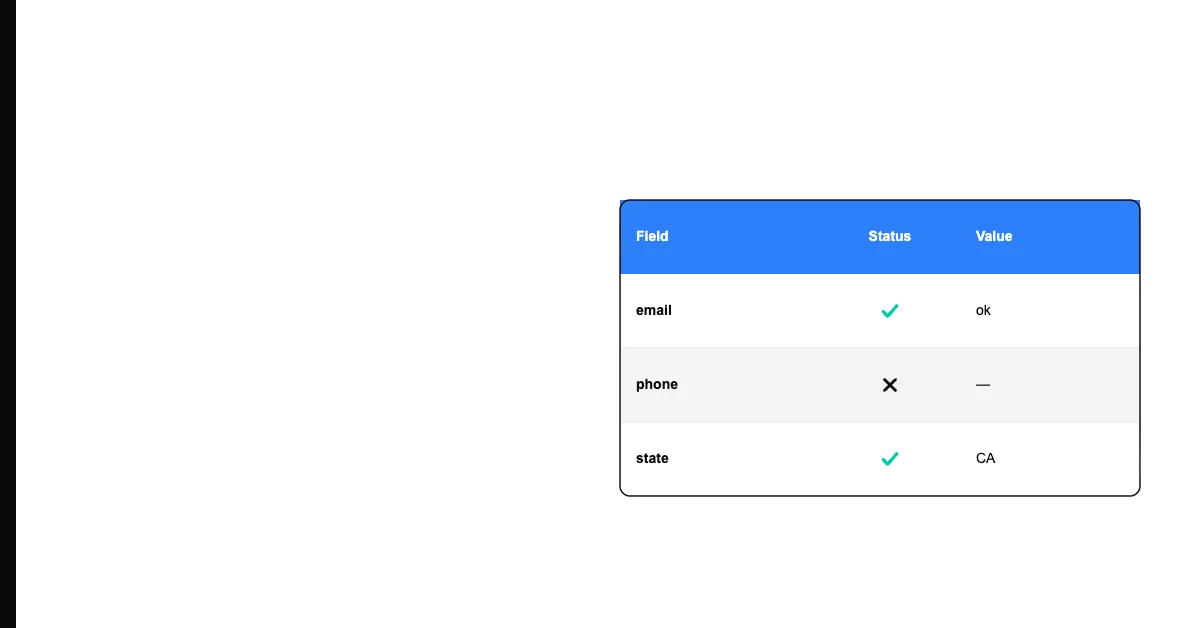
Sohovi finds gaps, duplicates, and format errors in your CRM data — so your team is working from records they can trust.
Their job: ensure other staff are entering data correctly, run a monthly review of new entries, and flag problems before they compound.
2. Monthly 30-minute data review The system owner spends 30 minutes once a month reviewing new entries. They're looking for: missing required fields, obvious entry errors, and whether data was entered on time. This review is on their calendar, every month, recurring.
3. Annual data audit Once per year, the whole organization participates in a structured data review: deduplication in the donor CRM, archiving inactive records, updating field definitions that have drifted from their original meaning.
Sohovi automatically finds every duplicate in your dataset — including near-matches — and shows you exactly which rows are affected.
Simple Standards That Prevent Most Problems
Date format: Pick one. YYYY-MM-DD or MM/DD/YYYY. Document it. Require it.
Name format: Last name, First name OR First name Last name. Pick one, document it, train everyone.
Required fields: Define them per record type. What is truly required for a donor record? For a participant record? Make non-required fields optional in your system — don't list them as required then get incomplete entries.
Dropdown lists: Any field that should have a limited set of values should be a dropdown. Free-text fields that could be dropdowns accumulate inconsistencies that take hours to clean.
Free and Low-Cost Tools for Small Nonprofits
- Google Sheets + Google Forms: Free. Forms enforce validation rules and feed data into Sheets automatically.
- Airtable free tier: Spreadsheet-database hybrid with views, filters, and form-based entry.
- Little Green Light: $45/month for donor management with built-in deduplication.
- Kobo Toolbox: Free for nonprofits, built for field data collection.
You don't need expensive software. You need consistent processes. Good habits in a free tool beat bad habits in an expensive one every time.