Personalization Is a Data Quality Problem
Most e-commerce personalization fails not because the technology is wrong, but because the underlying customer data is incomplete, inconsistent, or based on inferred signals that don't actually predict behavior.
"Hi [FIRST_NAME]" is personalization theater. Real personalization — showing a returning customer products in their stated size, recommending items based on actual purchase history, suppressing ads for products they've already bought — requires clean, well-structured customer data.
The Customer Data You Actually Need
For meaningful personalization, you need:
Transaction history: What did they buy, when, and at what price? This is the most predictive signal for what they'll buy next.
Size and preference data: For apparel and footwear, a stored size preference reduces returns and increases conversion. How do you collect it? Via order history, account settings, or post-purchase surveys.
Stop bad product data from reaching customers — Sohovi flags quality issues before they ship — try Sohovi free.
Communication preferences: Email vs. SMS. Promotional vs. transactional only. Frequency preferences. Ignoring these drives unsubscribes.
Return history: A customer who returned the last 3 items they bought under "Not as described" has different needs than a loyal repeat buyer. This signal should inform your personalization differently.
The Privacy Compliance Layer
GDPR (EU): You need lawful basis for collecting and processing personal data. Consent or legitimate interest are the most common bases for e-commerce personalization. You must honor deletion requests (right to erasure) and export requests.
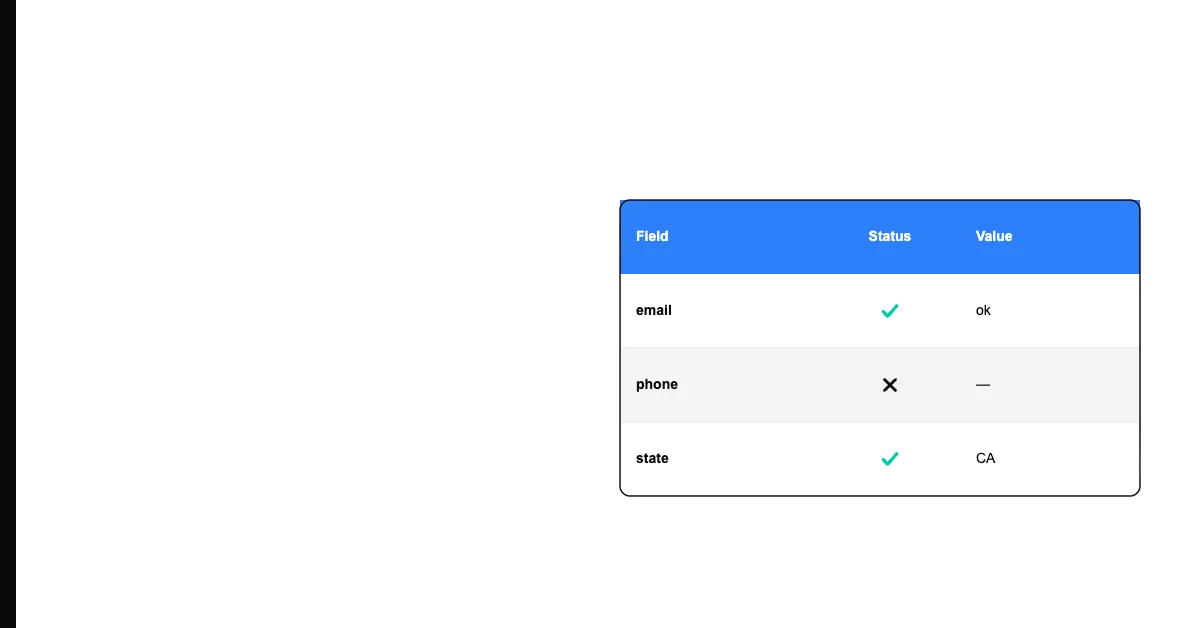
Sohovi automatically detects PII in your datasets — emails, phone numbers, SSNs — all processed client-side so your data never leaves the browser.
CCPA (California): You must disclose what data you collect and why. You must allow opt-out of "sale" of personal information. "Sale" under CCPA includes sharing with ad platforms for targeting — this catches many e-commerce stores off-guard.
Key practices:
- Document what data you collect and why in your privacy policy
- Honor unsubscribe and deletion requests within required timeframes
- Don't use customer data for purposes beyond what they consented to
Building a Compliant Personalization Data Model
-
Collect at the right moment: Email and communication preference at signup. Size/preference at account creation or post-first-purchase. Don't front-load friction.
-
Store in a structured, queryable format: Customer attributes stored in consistent fields (not free text notes) are personalization-ready. "Size: M" in a clean field vs. "usually orders medium in shirts but large in jackets" in a notes field.
-
Maintain data currency: A stored size preference from 3 years ago may be wrong. Prompt customers to verify stored preferences periodically.
-
Segment, don't just personalize one-to-one: For most stores, clean segmentation (repeat buyers, high-AOV customers, lapsed customers) is more impactful than true 1:1 personalization and is far easier to maintain.